

Today’s Top Stories in the US, October 20, 2025

1. Shutdown limbo: Senate set to vote as government grinds on


With the federal government in a funding standoff since October 1, the United States Senate is preparing another vote today to break the impasse. Hindustan Times+2Wikipedia+2
- The shutdown has already forced roughly 900,000 federal employees into furlough, with another ~700,000 working without pay. Wikipedia+1
- Key agencies are either paused or operating at reduced capacity; data releases, hiring and many services are disrupted. Wikipedia
- Analysts warn that the continuing lapse complicates major economic decisions by the Federal Reserve — the flow of employment and inflation data is incomplete. Reuters
Why it matters: The shutdown not only delays government services, but it is also messing up the country’s ability to interpret its own economy — which could lead to bad policy decisions, markets adjusting unexpectedly, and real stress for federal workers and contractors.
What to watch today: The timing and contents of the Senate vote — whether it proposes a short‑term extension, conditions on government funding, or something more sweeping.
2. Fed poised to cut rates — but the data’s missing

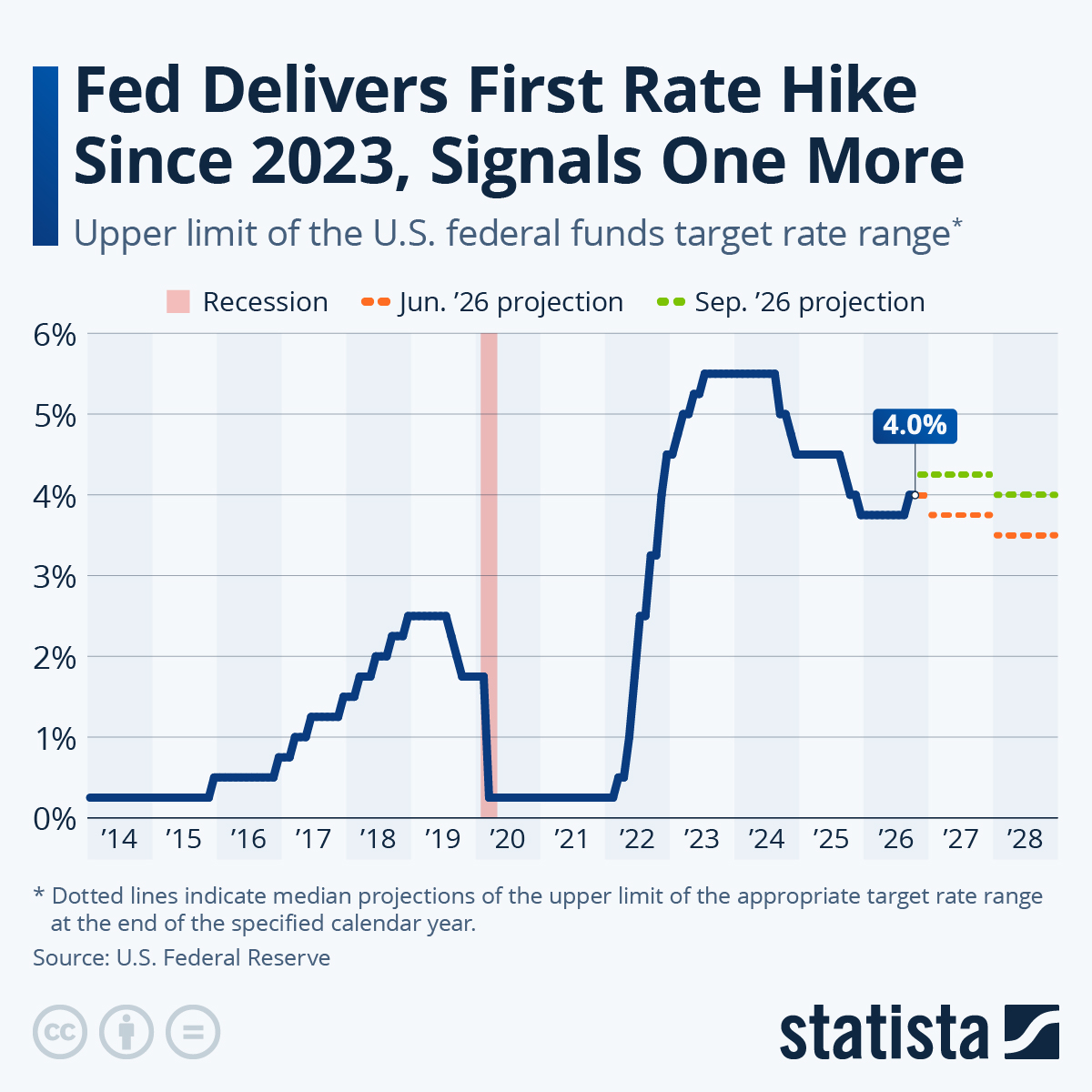

The Federal Reserve is widely expected to cut its benchmark interest rate by 0.25 percentage points at its October 28‑29 meeting — but it faces a strange challenge: key economic data is missing because of the government shutdown. Reuters+1
- With missing employment, inflation and manufacturing numbers, policymakers will rely more heavily on private and state‑level data. That raises uncertainty. Reuters
- Some Fed officials back the cut, others want to wait, creating a divided landscape ahead of the meeting. Barron’s
Why it matters: Interest‑rate policy affects everything from mortgages to investment decisions. If the Fed misreads the economy because of missing data, there’s a risk of over‑ or under‑shooting.
What to watch today: Any Fed commentary or external signals about how they’re interpreting the data vacuum — and how markets are adjusting.
3. U.S. diplomacy & defence moves spotlighted in key meetings


U.S.–Australia summit
Anthony Albanese (Australia) arrived in Washington today for a high‑stakes meeting with Donald Trump. They will discuss defence (especially the AUKUS pact), trade, and rare‑earth mineral supply chains. News.com.au+1
U.S.–Colombia escalation
President Trump sharply accused Gustavo Petro of being an “illegal drug leader,” threatened to cut aid and impose tariffs on Colombia, and did so in conjunction with U.S. military action on a Colombian‑linked vessel. Petro rejected the accusations. The Guardian
Ukraine war diplomacy
In ongoing efforts to shape the conflict in Ukraine, Zelenskyy is requesting more advanced U.S. missile systems amid reports that Trump privately pressed for a cease‑fire or frozen frontline deal. Al Jazeera+1
Why it matters: These events show the U.S. pivoting its foreign policy on multiple fronts at once — Indo‑Pacific alliances, Latin America strategy, and the Russia‑Ukraine war. The mix of defence, diplomacy, and trade means ripple effects for global security, supply‑chains, and U.S. credibility.
What to watch today: Statements from the Trump‑Albanese meeting; Colombia’s next steps; how Ukraine responds to U.S. decisions.


On October 18 thousands of protesters took to streets across the U.S. under the banner “No Kings protests,” voicing opposition to what they describe as authoritarian behaviour under President Trump. Wikipedia+1
- Demonstrations were held in over 2,700 locations nationwide, with organizers estimating nearly 7 million participants. Wikipedia
- The movement is non‑violent but large and coordinated; Republicans have pushed back, calling the rallies “hate America” or “Antifa‐led.” Wikipedia
Why it matters: This level of mass protest underscores how polarized and politically fraught the U.S. has become — and how large segments of the public believe the country is veering away from democratic norms. It’s not just policy disagreement; it’s concerns about the nature of governance.
What to watch today: Whether the administration or Congress reacts (with policy or rhetoric), and how localities now handle the aftermath of such a big national protest wave.
Bottom line
The U.S. is facing a highly volatile mix of domestic gridlock (shutdown), monetary policy uncertainty (Fed data vacuum), far‑reaching diplomacy, and rising internal political tension (mass protests). Each of these neighbourhoods interacts with the others — the shutdown slows data, which complicates Fed decisions, which send signals to markets and global partners; protests reflect domestic brittleness, which weakens the U.S.’s stance abroad; diplomatic assertiveness may heighten already‑high tensions at home.
Privacy Policy
